What to Expect During a Concrete Driveway Installation
If you've never had a concrete driveway installed before, it can be hard to know what to expect once the work actually begins. Understanding the process — and why each stage matters — helps set realistic expectations for timing and gives you a better sense of what quality workmanship actually looks like along the way.
Excavation and Base Preparation
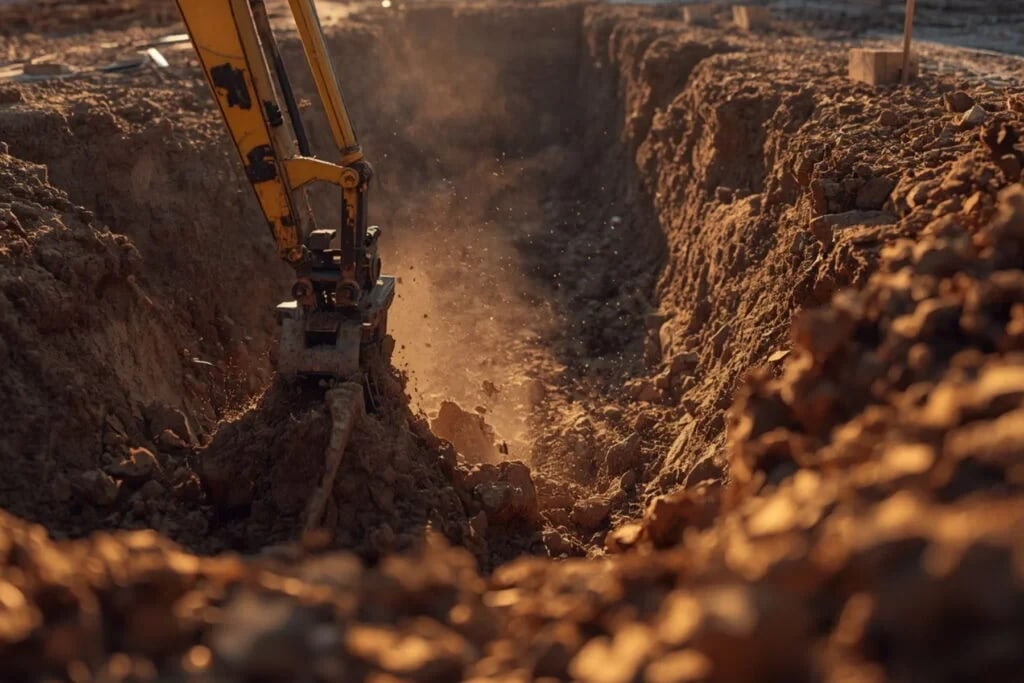
The process starts with excavating the site to the correct depth and removing any unsuitable soil. A base course of crushed rock is then laid and compacted in layers, with levels and falls checked carefully throughout to ensure water drains away from your home rather than pooling on the surface.
This stage often takes longer than people expect, but it is the single most important part of the entire job. A rushed or poorly compacted base is the leading cause of driveways cracking or sinking prematurely.
Formwork, Reinforcement and the Pour
Once the base is ready, formwork is installed to define the driveway's edges and shape, followed by steel mesh or reinforcing bar depending on the expected load. The concrete is then poured, spread and screeded to the correct level, with the whole pour typically completed in a single session for consistency.
Timing the pour around the weather is important too — extreme heat, heavy rain or frost can all affect how the concrete cures, so we plan around forecasts to protect the quality of the finish.
Finishing, Joints and Curing
After the pour, the surface is finished to your chosen texture — broomed, exposed aggregate, stamped or smooth — while the concrete is still workable enough to shape. Control joints are cut at planned intervals to guide where any shrinkage cracking occurs, keeping it straight and cosmetic rather than random.
From there, the concrete needs time to cure. It's typically walkable within a day or two and ready for light vehicle traffic within about a week, but full curing takes around 28 days, during which the concrete continues gaining strength.
After the Pour: What Happens Next
In the days immediately after the pour, we protect the surface from foot traffic, pets and weather while it gains initial strength, and may apply a curing compound to help it dry evenly rather than too quickly. Barricades or temporary fencing are common during this window.
Once the driveway has fully cured, we'll walk you through any care recommendations specific to your chosen finish, including when to expect first sealing if that wasn't part of the original job, so you know exactly how to look after your new driveway from day one.
We also do a final walk-through with you once the job is complete, checking the finish, joints and drainage together so you know the driveway has been handed over in the condition it's meant to be, not just left once the concrete truck drives away.
Every stage of this process matters, and skipping or rushing any of them is where problems start. If you're planning a new driveway, we're happy to walk you through timing, cost and exactly what to expect for your specific site.
← Back to all guides